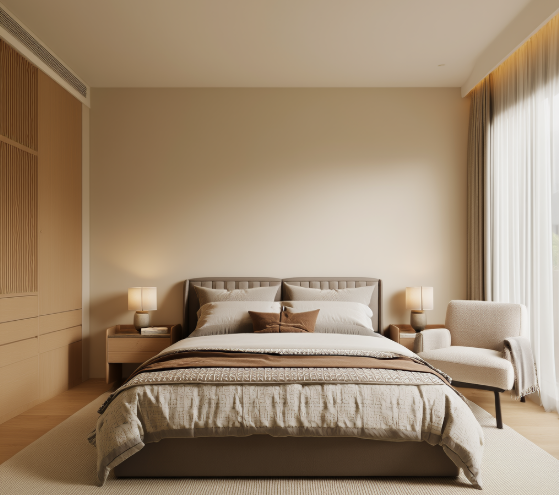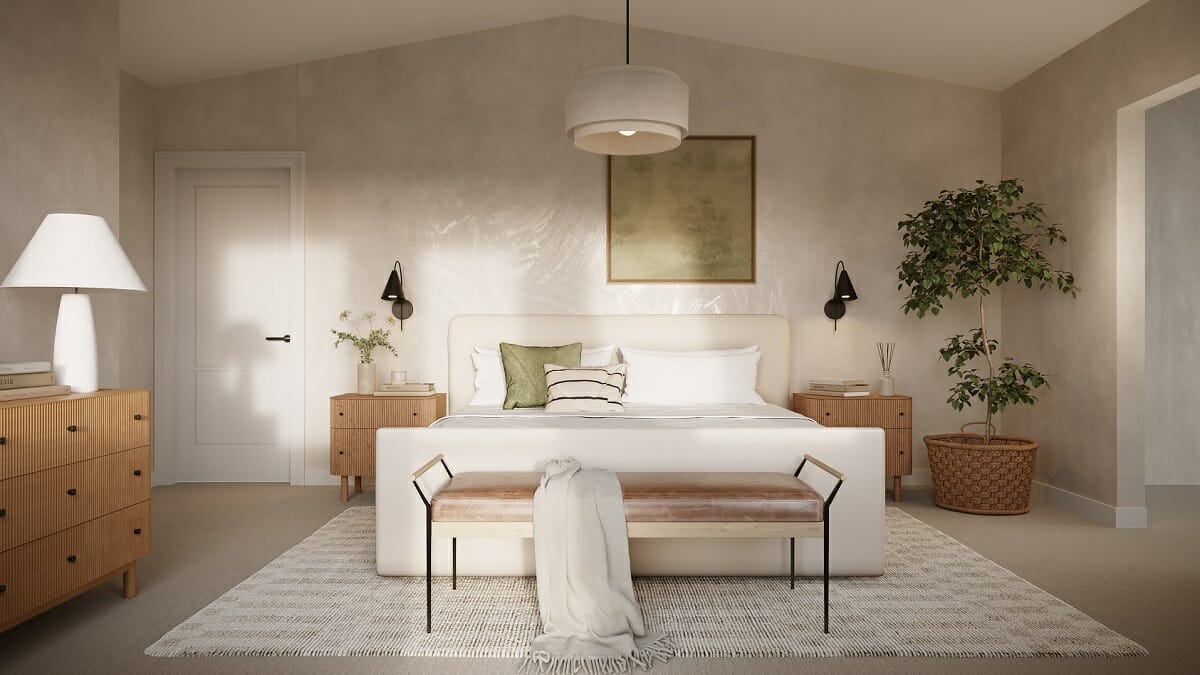
Your bedroom should be your ultimate sanctuary—a peaceful space for deep rest, emotional balance, and renewed energy every morning. Applying feng shui bedroom principles can transform it into a harmonious haven that promotes better sleep, reduces stress, and supports overall wellbeing. Rooted in ancient Chinese practices and backed by modern insights from environmental psychology and sleep science, these feng shui bedroom tips focus on optimizing energy flow (chi) through smart layout, calming colors, and mindful choices.
Whether you're redesigning your space or making small tweaks, here's a practical, step-by-step guide to creating the perfect feng shui bedroom.
1. Master Feng Shui Bed Placement: The Commanding Position
The bed is the most important element in any feng shui bedroom layout. Proper placement creates a sense of security and control, helping you relax faster and sleep more soundly.
• Use the commanding position — Position your bed diagonally across from the door so you can see the entrance (and anyone entering) without being directly in line with it. This avoids the "coffin position" (feet pointing straight at the door), which many experts say disrupts energy and causes unease.
• Solid headboard against a sturdy wall — A solid (not slatted) headboard provides support and grounding. Avoid placing the headboard under a window or in line with the door.
• Keep space under the bed clear — No clutter or heavy storage—opt for open airflow or soft items like extra linens if needed. Blocked space can stagnate energy and affect mental clarity.
• Symmetry for balance — Place matching nightstands and lamps on both sides. This promotes equality and harmony, especially for couples.
• Avoid beams or heavy overhead features — If unavoidable, soften with a canopy or gentle lighting to reduce subtle pressure.
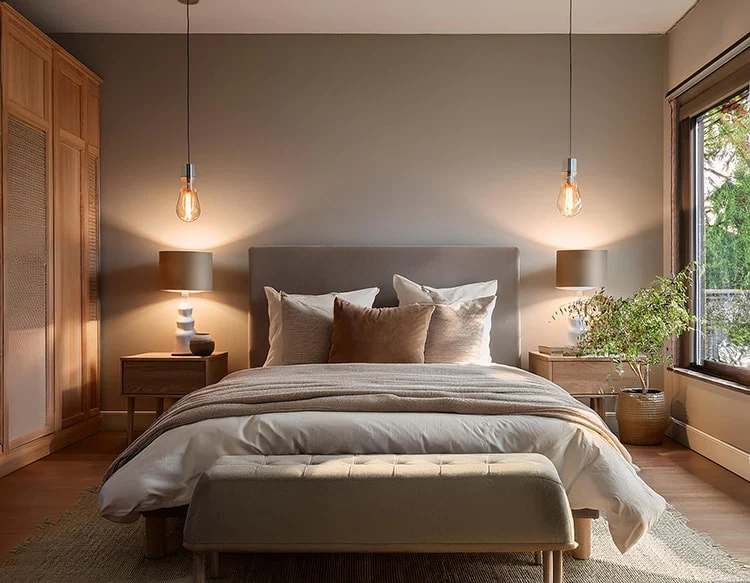
2. Lighting: Create a Calming, Circadian-Friendly Glow
Lighting heavily influences your sleep-wake cycle. In a feng shui bedroom, prioritize soft, warm, controllable light to encourage relaxation.
• Choose warm white bulbs (under 2700K) for bedside lamps—dimmable for evening wind-down.
• Install blackout curtains or layered shades to block external light (streetlights, early sun) and protect melatonin production.
• Minimize bright overhead lights and screens — Avoid them 1-2 hours before bed to reduce blue light disruption.
• Add soft accent lighting (like salt lamps or candles) for a yin-yang balance—bright during day use, dim at night.
3. Colors & Materials: Earthy Tones for Rest & Grounding
Colors affect mood and energy. For the best feng shui bedroom, stick to soothing, nature-inspired palettes that promote calm without overstimulation.
• Ideal shades: Soft beiges, warm whites, muted blues/greens, gentle greys, and earthy clays.
• Avoid: Bright reds, neons, or high-contrast colors near the bed—they can energize too much and interfere with relaxation.
• Materials: Natural ones like wood, linen, cotton, wool, or bamboo add warmth and texture. They support grounding earth energy and feel inviting.
4. Declutter & Mindful Decor: Clear Energy for Peaceful Rest
Clutter blocks chi and creates mental noise. A minimalist, intentional feng shui bedroom feels spacious and serene.
• Remove electronics — Keep phones, TVs, and chargers out (or far from the bed) to eliminate EMFs and blue light.
• No mirrors facing the bed — Reflections at night can disturb sleep by fragmenting energy—place them on side walls or cover if needed.
• Soft, rounded decor — Skip sharp objects, aggressive art, or pointed items. Choose gentle shapes, plants (for gentle wood energy), or meaningful items like smooth stones.
• Pairs & symmetry — Use matching items (lamps, pillows) to foster balance and relationship harmony.
• Personal touches — Add what feels good to you (a small plant, favorite book)—focus on positive emotions, not rigid rules.
The Bottom Line: Your Feng Shui Bedroom as a Daily Sanctuary
A thoughtfully arranged feng shui bedroom isn't about strict rules—it's about crafting a space that feels safe, quiet, and deeply restorative. By focusing on bed placement, soft lighting, calming colors, and clutter-free flow, you support better sleep, reduced anxiety, and overall wellbeing.
Here is an AI tool that can help you design your bedroom and receive personalized Feng Shui advice.
Start small: Rearrange your bed today or declutter one drawer. Notice how the energy shifts.
Note: These feng shui bedroom tips draw from traditional principles, environmental psychology, and sleep research. They're for general wellness—not medical advice. Results vary; consult professionals for health concerns.